

FACULTIES

English, Mathematics, Science, Māori, Social Sciences, Physical Education & Health, Technology, Arts subjects including Art, Photography, and Māori Carving, and Performing Arts subjects including Music, Dance, Drama, and Pasifika.


English

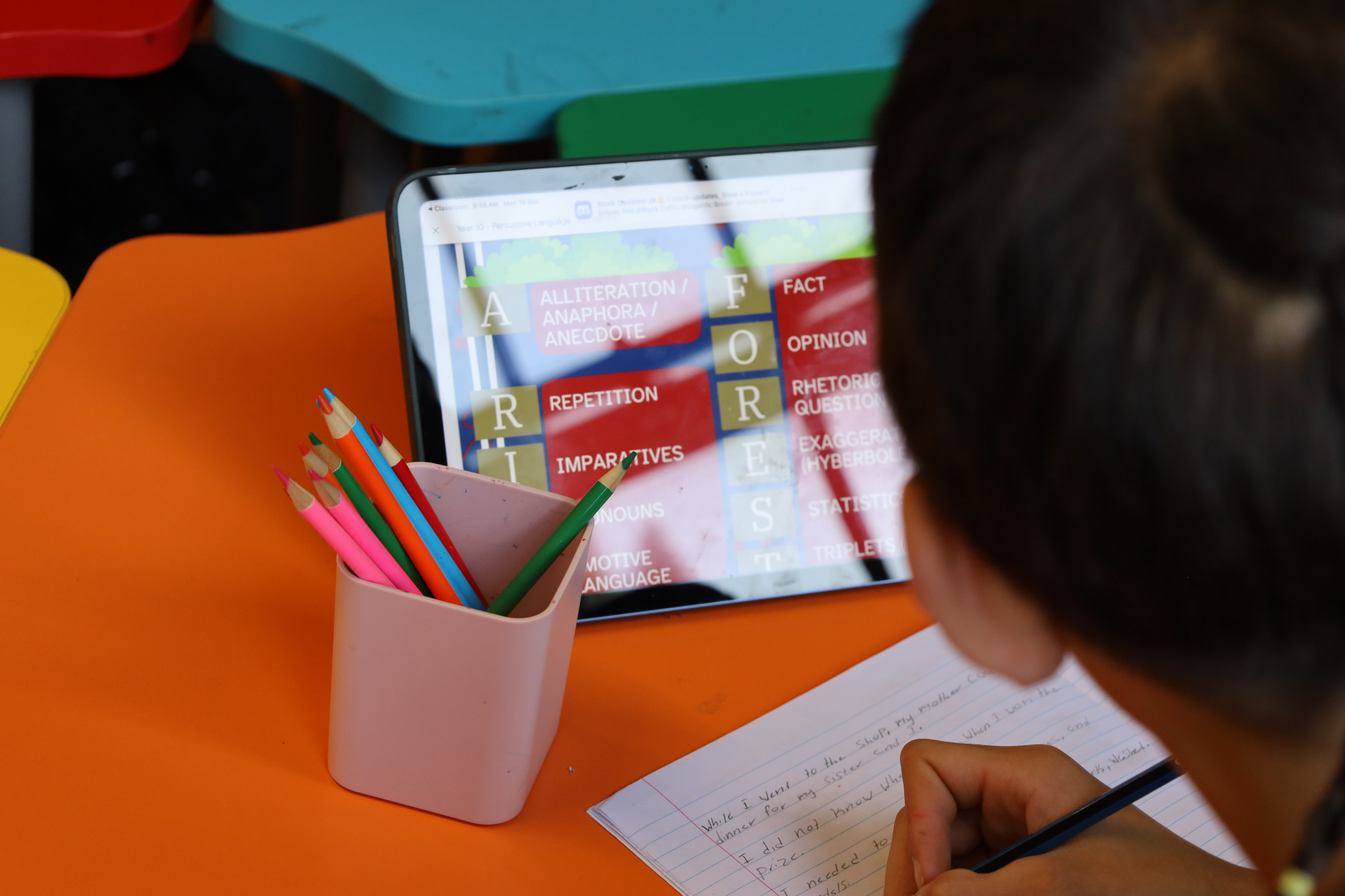
English is about understanding and using language with confidence. Students develop skills in reading, writing, speaking, listening, and viewing, learning how to interpret meaning and express their own ideas clearly. Strong English skills support success across all subjects and help students appreciate literature, build identity, and understand the world around them.
Mathematics

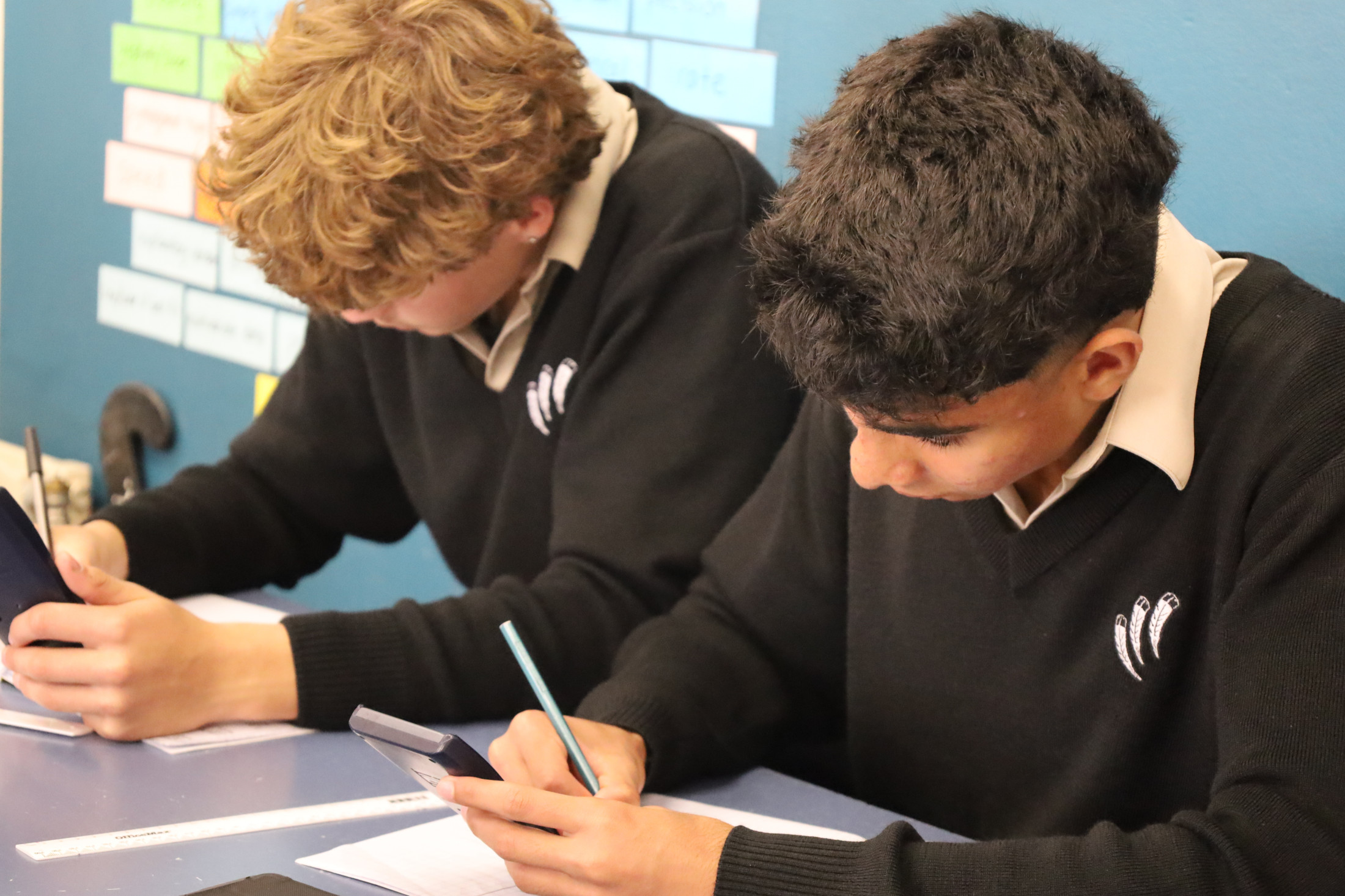
Mathematics is not just about getting the right answer — it’s about the thinking and processes behind it. Students learn to solve real-world problems, analyse data, and build confidence with numbers, patterns, and technology. Through problem solving, they develop independence, resilience, and flexible thinking. Maths opens doors to countless careers and helps students engage confidently with the modern world.

Science

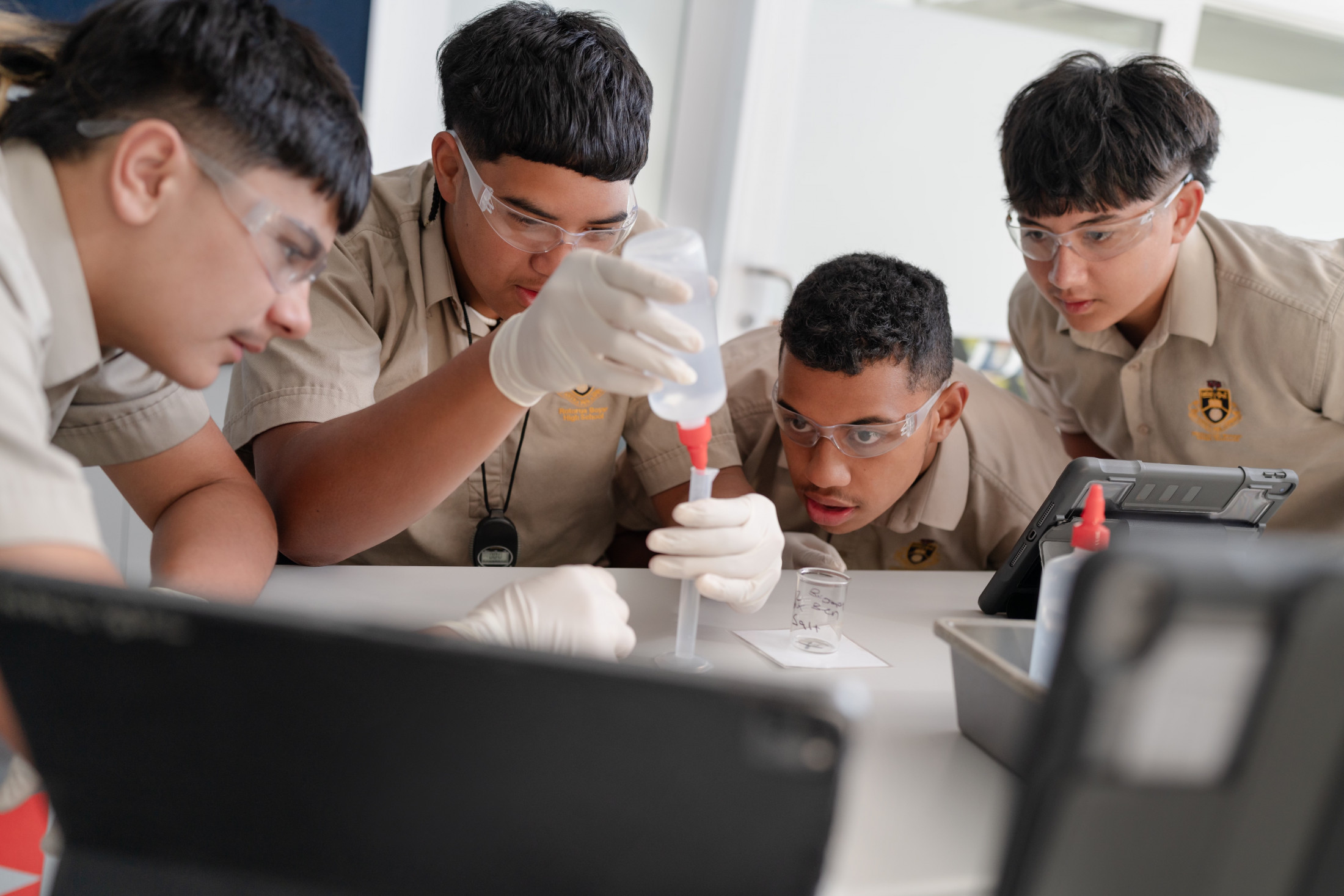
Science helps students understand the world through Biology, Chemistry, Earth and Space Science, and Physics. Students learn how natural laws shape our environment and how to live responsibly within it. From exploring cells and genetics to investigating chemical reactions and real-world applications, science builds curiosity, critical thinking, and a deeper understanding of how our world works.

Māori

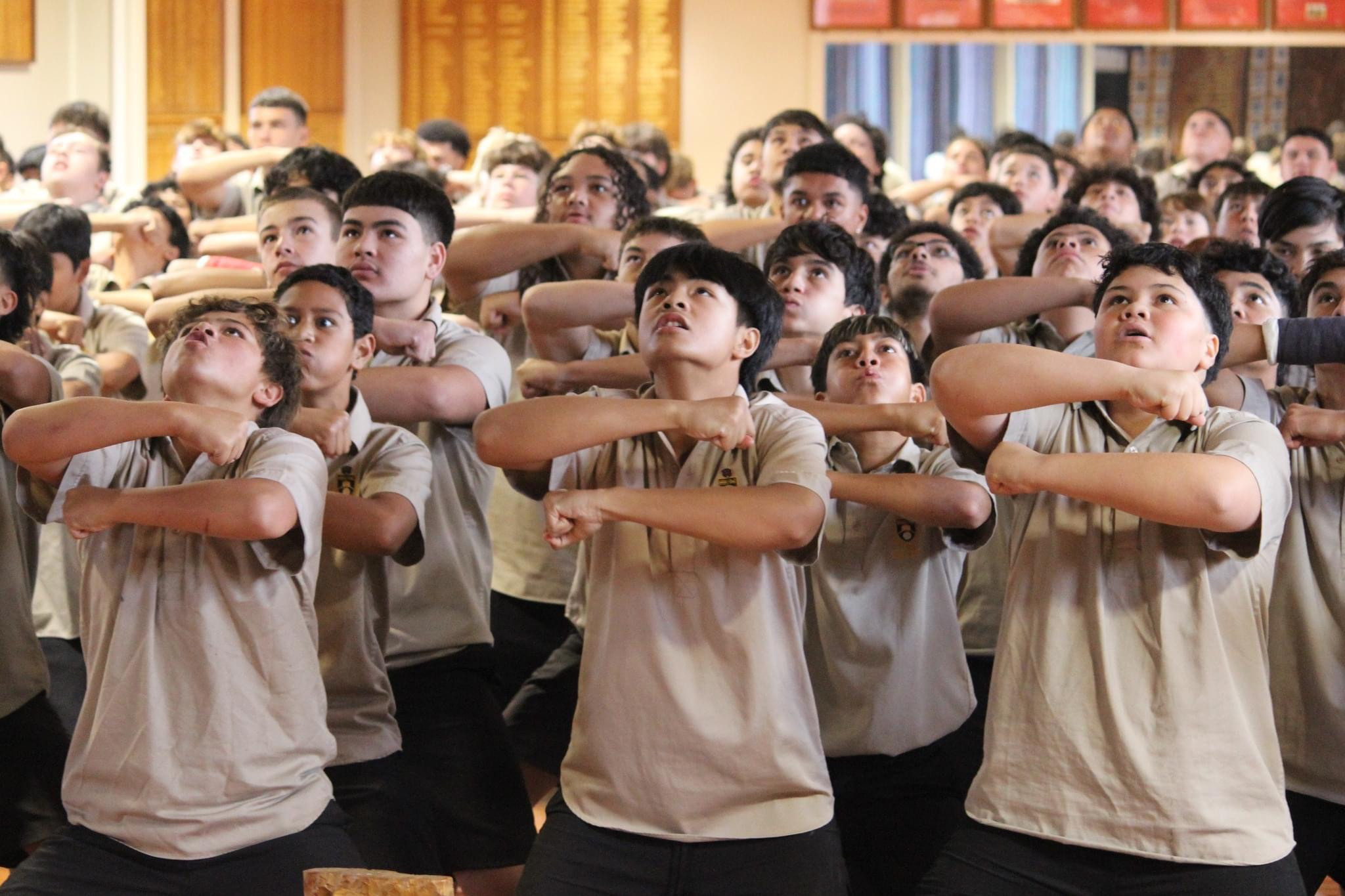
Te Whare o Raukura is the cultural heart of the school, offering Te Reo Māori and Māori Performing Arts. Te Reo Māori builds confident speakers who understand tikanga, karakia, whakapapa, and their own identity, strengthening pride and belonging while opening pathways to future careers. Māori Performing Arts develops confidence and leadership, preparing students for performance opportunities including Raukura Kapa Haka and Super 8 competitions. Together, these subjects connect students to Te Ao Māori and grow strong, capable young leaders.

Social Sciences

The Social Sciences Faculty includes Geography, History, Economics, Tourism, Accounting and Social Studies, and helps students understand the world locally, in the Pacific, and globally. Students explore how people, places, economies, and environments interact, building historical awareness and insight into social and economic change. Through this learning, they develop strong research, literacy, numeracy, and critical thinking skills needed to navigate the modern world with confidence.

Physical Education & Health

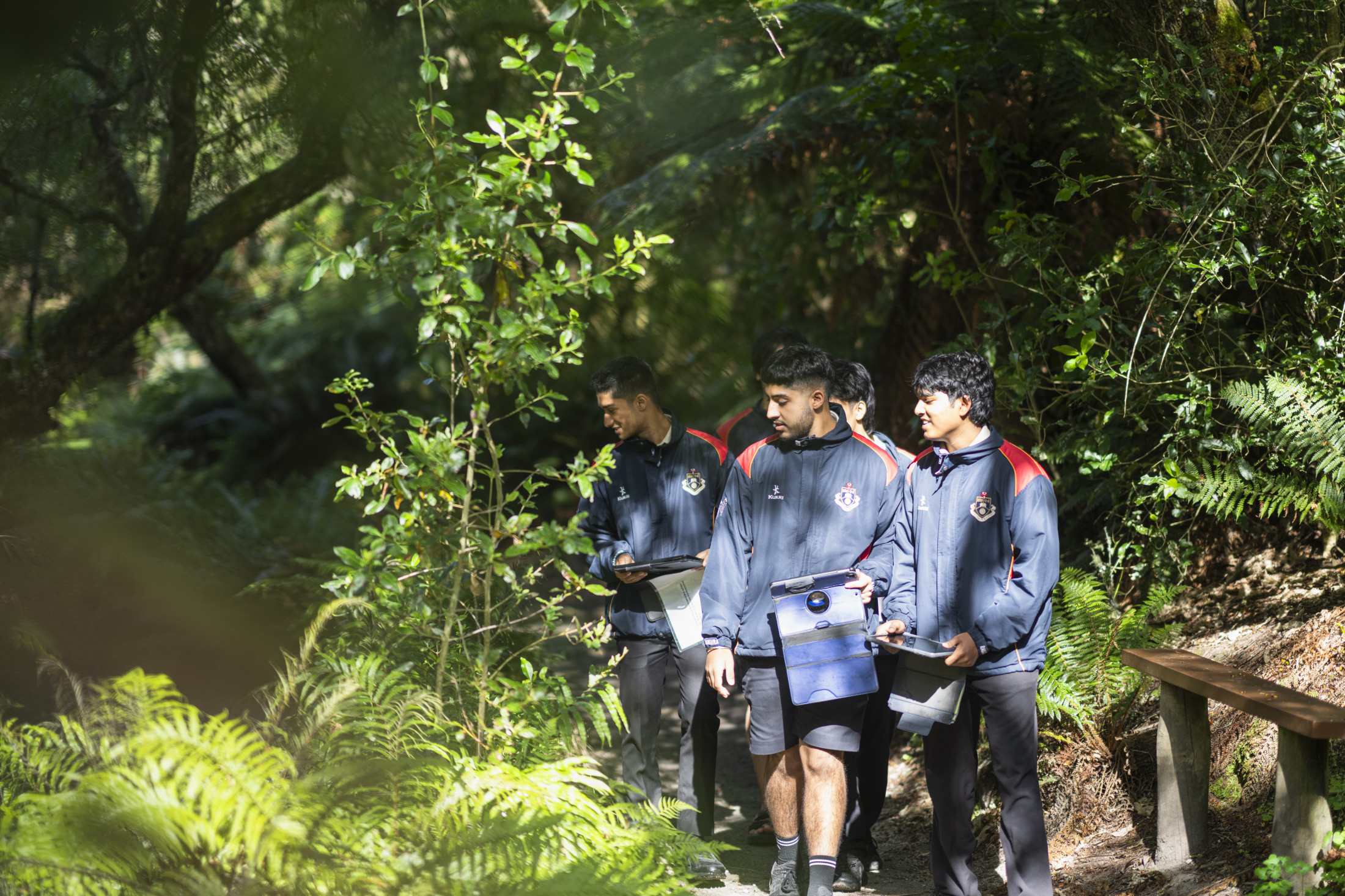
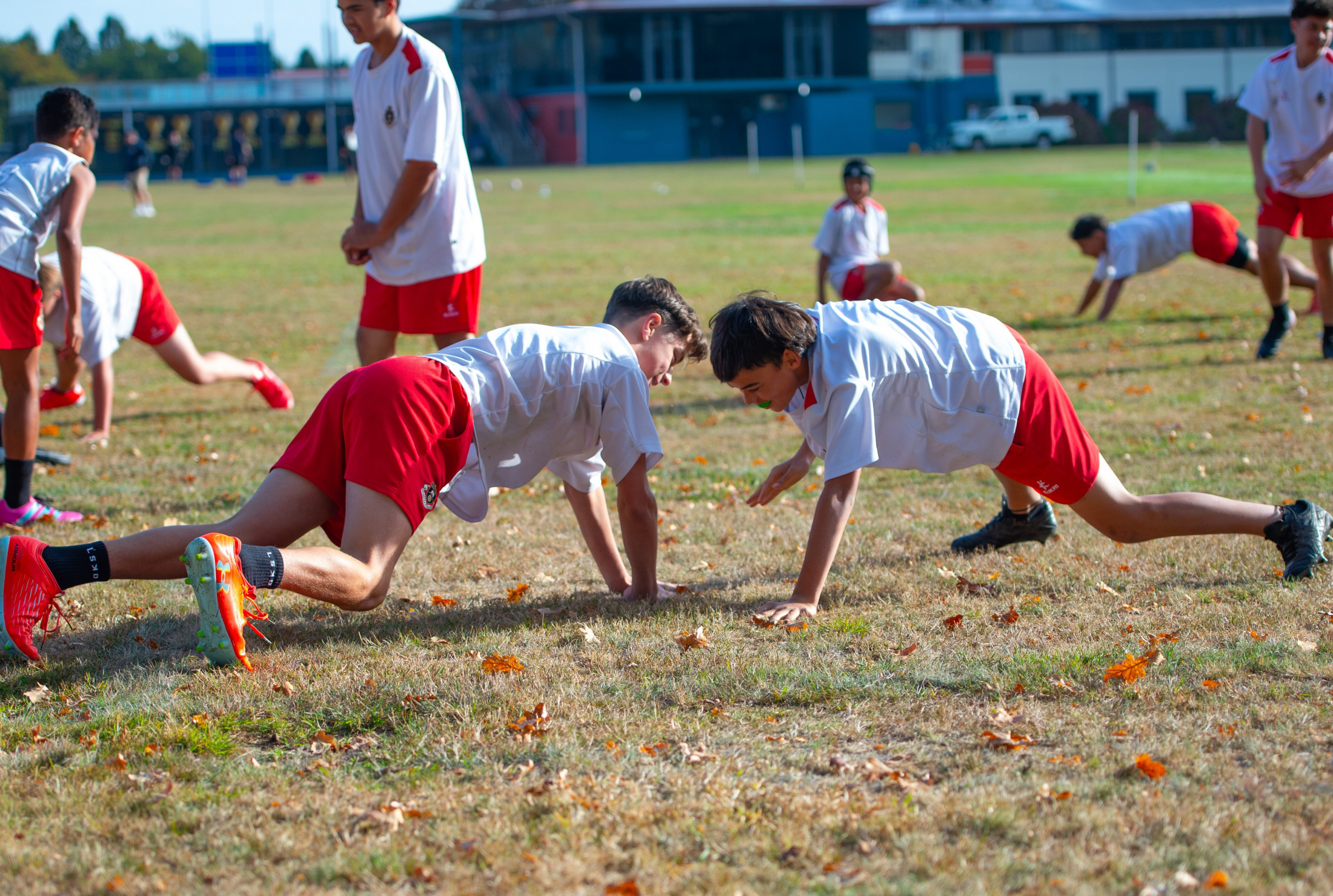
Physical Education is education through movement, developing students’ physical competence, confidence, and understanding of how activity supports overall wellbeing — physical, mental, emotional, social, and spiritual. Through areas such as mental health, nutrition, sport studies, outdoor education, and physical safety, students build teamwork, leadership, communication, and critical thinking skills. PE challenges students in engaging, practical contexts while teaching decision-making, risk management, and collaboration. It promotes active lifestyles and provides strong foundations for future pathways in health, recreation, sport, education, and other people-focused careers.

Technology

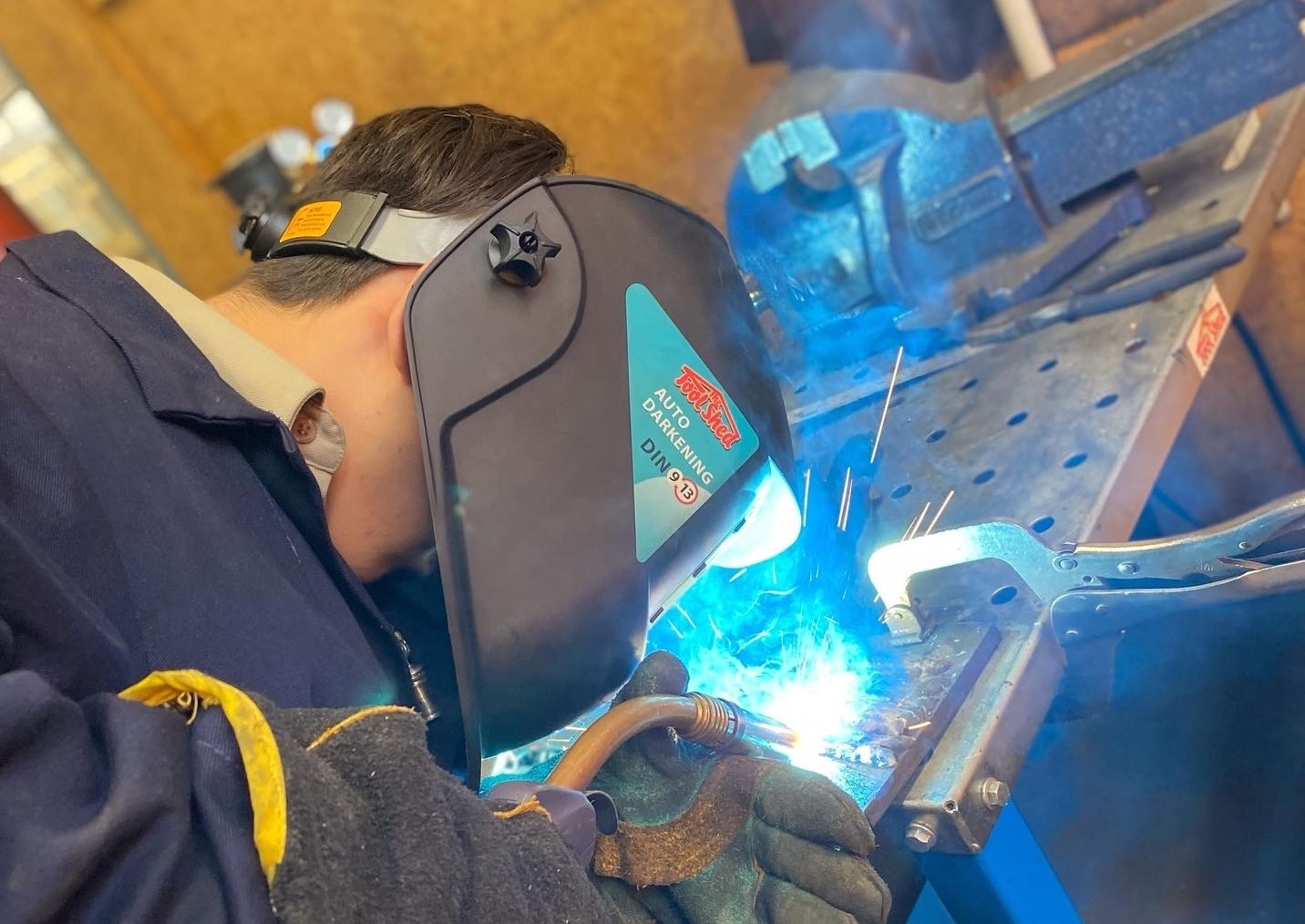
Technology is intervention by design — using practical skills and creative, critical thinking to develop products and systems that meet needs and create opportunities. It combines knowledge from multiple disciplines (Building and Construction, Engineering, Automotive, Design and Visual Communication, Digital Technology, and Food and Hospitality) and relies on visual communication to explore and present ideas. Because technology is shaped by cultural, ethical, environmental, political, and economic influences, students learn to think critically about its impact on society. Through hands-on projects, students build technological literacy, develop real-world skills, and prepare for future pathways in an ever-evolving world.

Art, Photography & Māori Carving

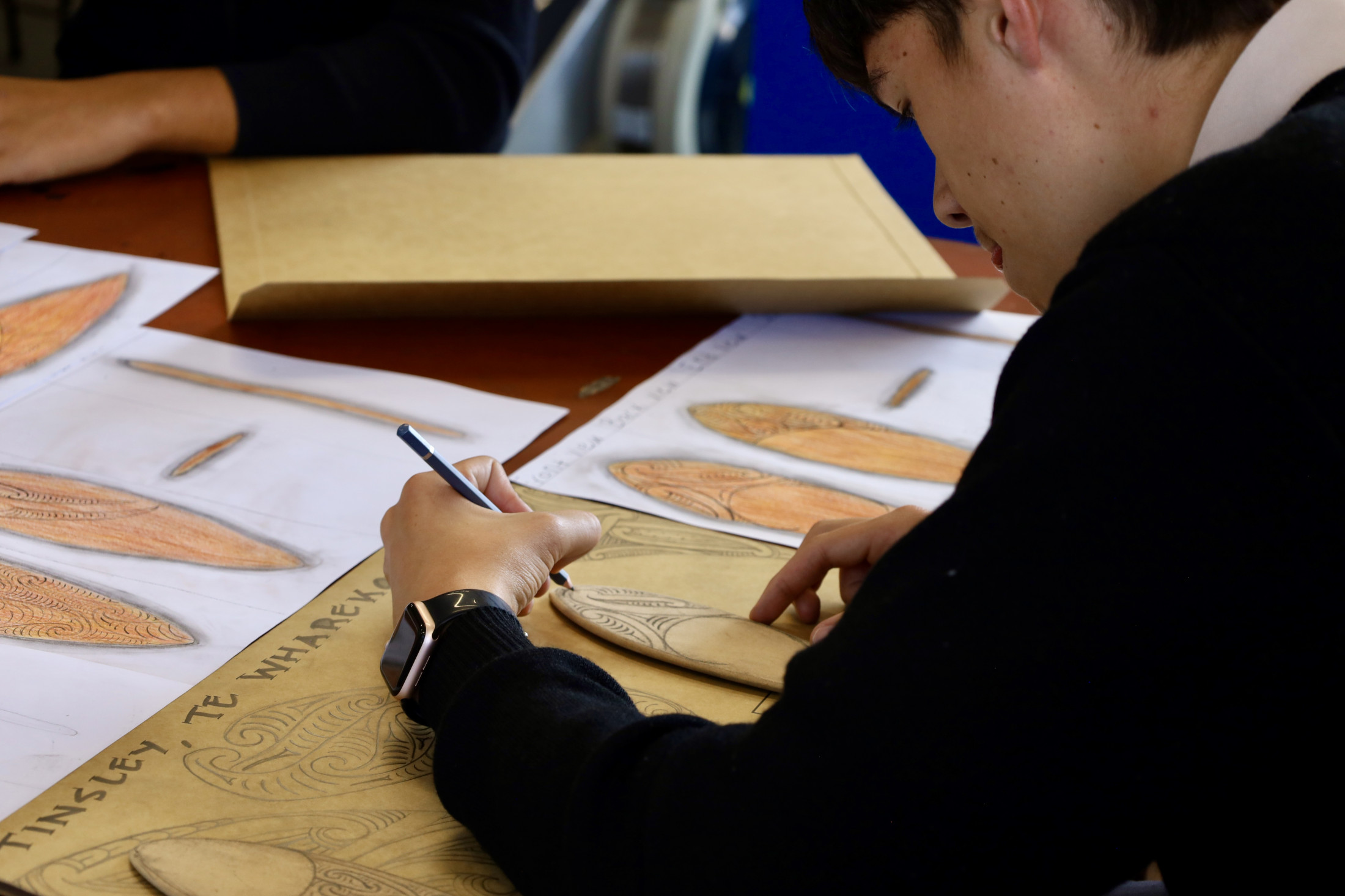
Art and Carving ignite imagination, deepen thinking, and provide powerful forms of personal, social, and cultural expression. They allow students to create and interpret ideas and images that reflect identity, challenge perspectives, and shape how we see the world. Rather than telling people what to think, these disciplines engage the senses and emotions, encouraging reflection and meaningful response. Through developing strong visual literacy, students learn to communicate ideas with intention and to interpret artworks and taonga thoughtfully, drawing on their own experiences, values, and understanding.

Music, Dance, Drama & Pasifika

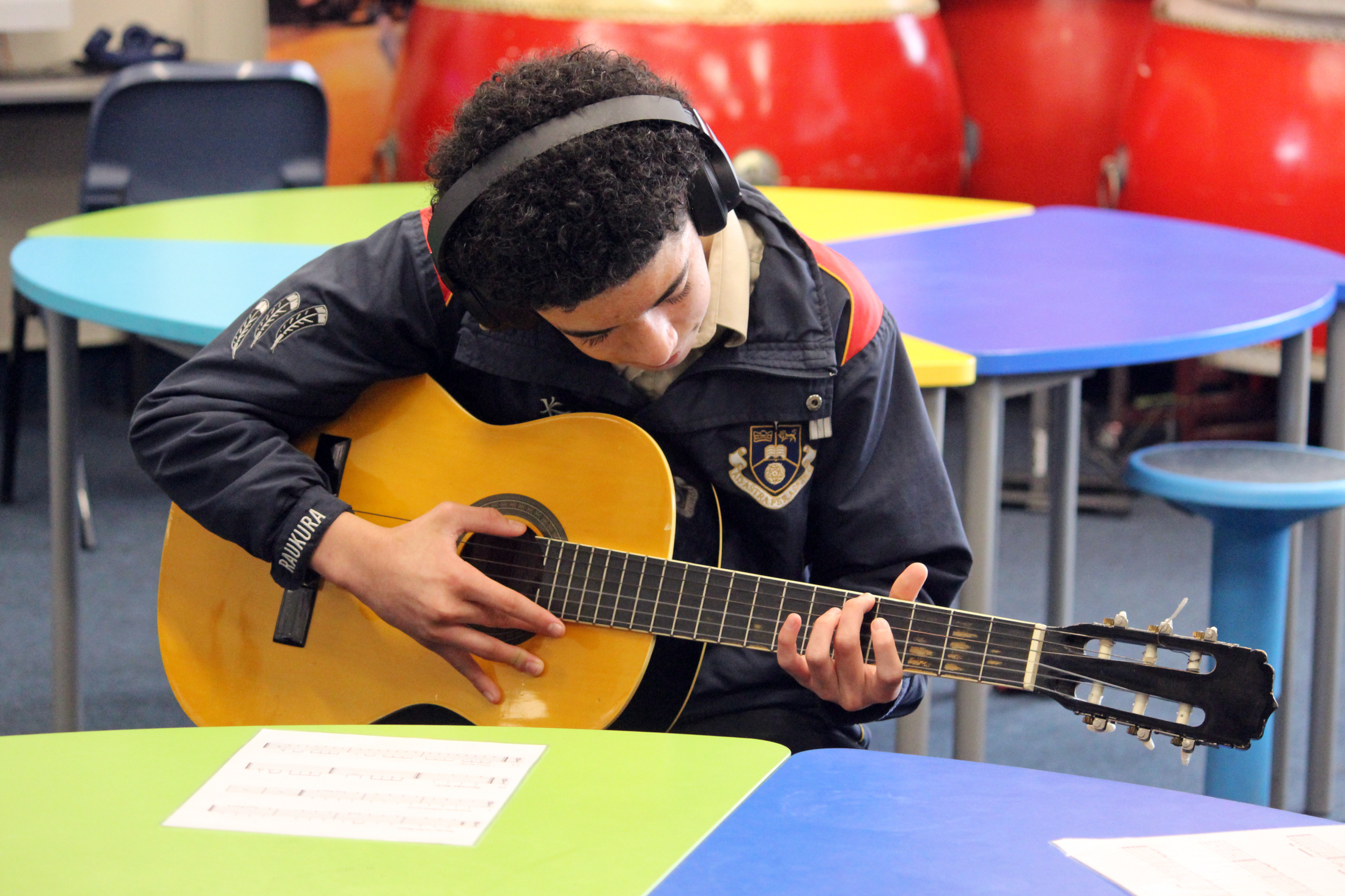
Music is a creative, performance-driven subject where students build confidence through playing, composing, and understanding music. It develops teamwork, discipline, resilience, creativity, and skills in music technology, while giving students the opportunity to perform and express themselves.

Pasifika Studies explores Pacific music, dance, language, and art, strengthening cultural knowledge, identity, and confidence. Through performance and community events, students develop leadership, creativity, and lifelong skills in a culturally rich and inclusive environment.